
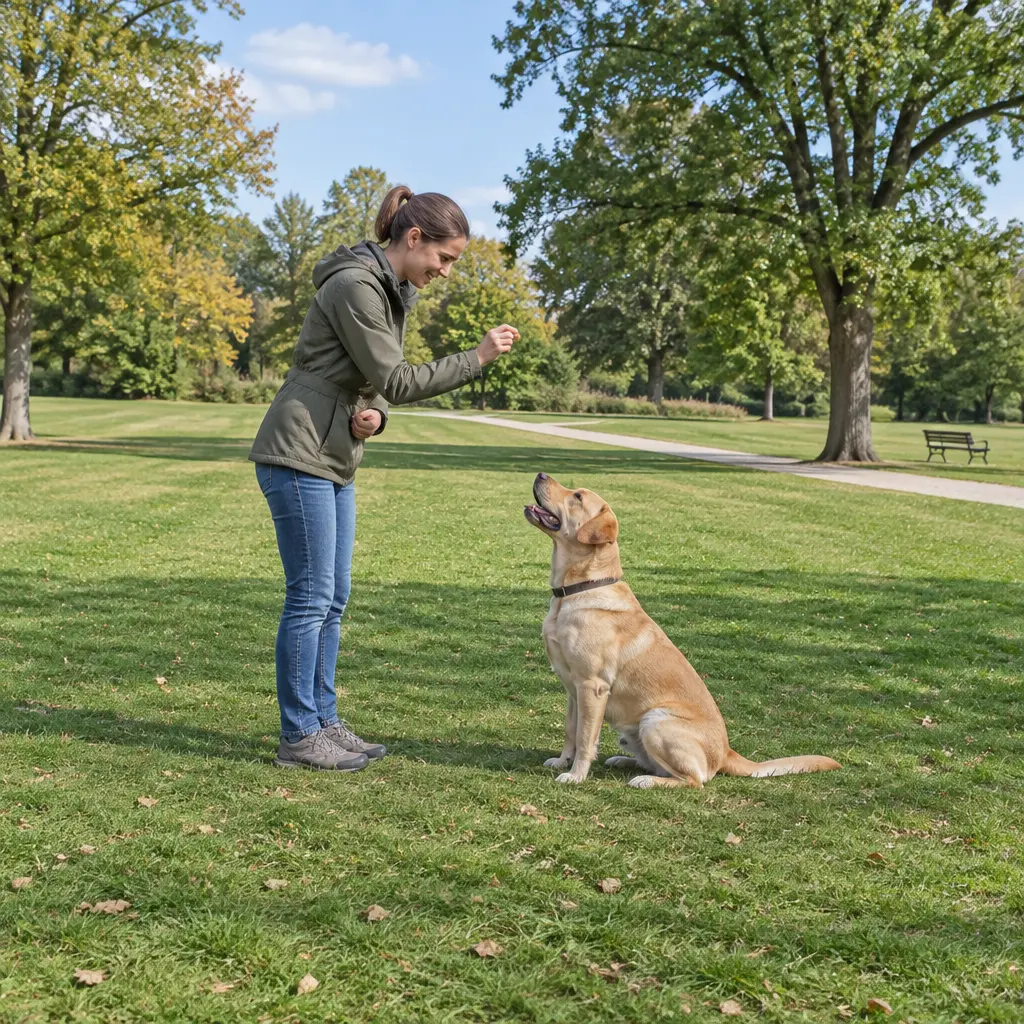
How Breed History Affects What Training Methods Work Best
Breed history—the inherited traits and working roles shaped through generations of selection—can help explain why dogs differ in motivation, attention, and responses to training. It […]
Breed history—the inherited traits and working roles shaped through generations of selection—can help explain why dogs differ in motivation, attention, and responses to training. It […]
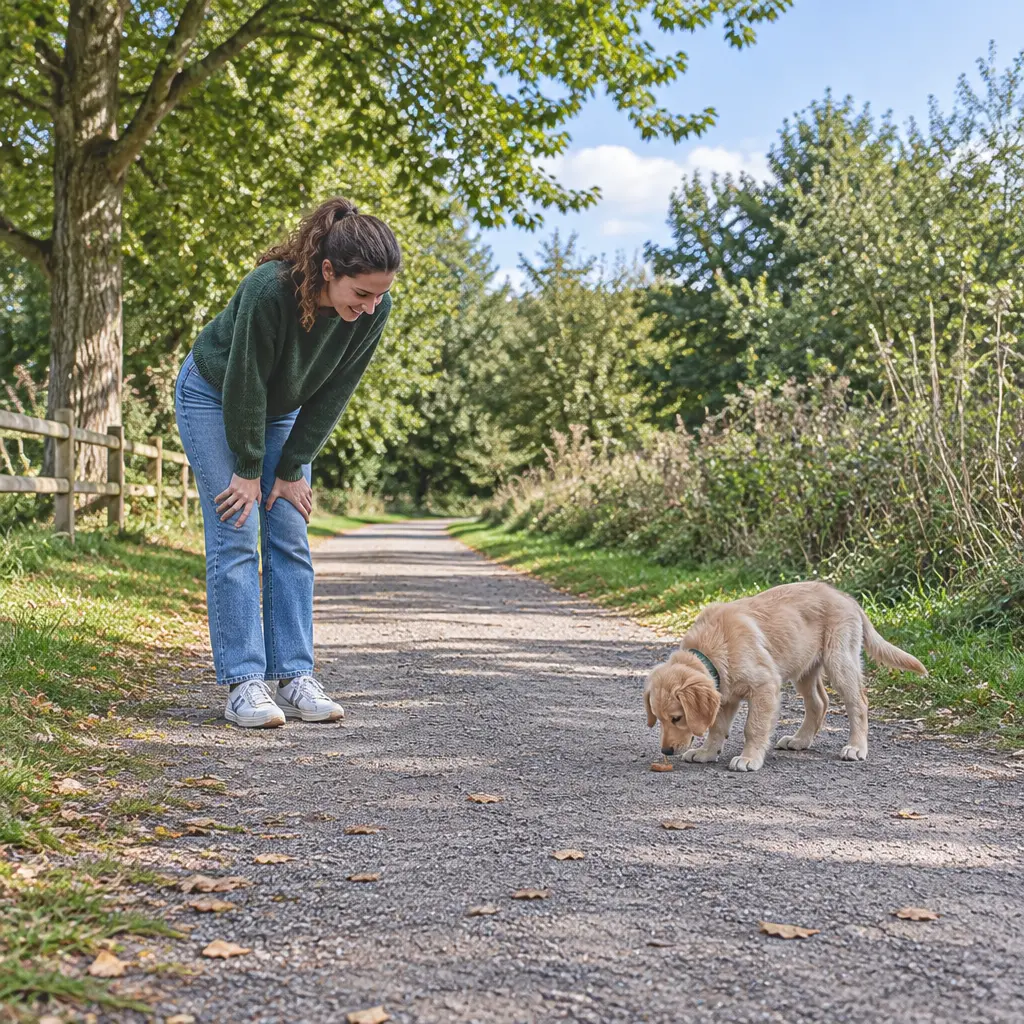
A shy or fearful puppy is one who responds cautiously or anxiously to unfamiliar people, animals, places, sounds, or handling. Socialization means helping a puppy […]
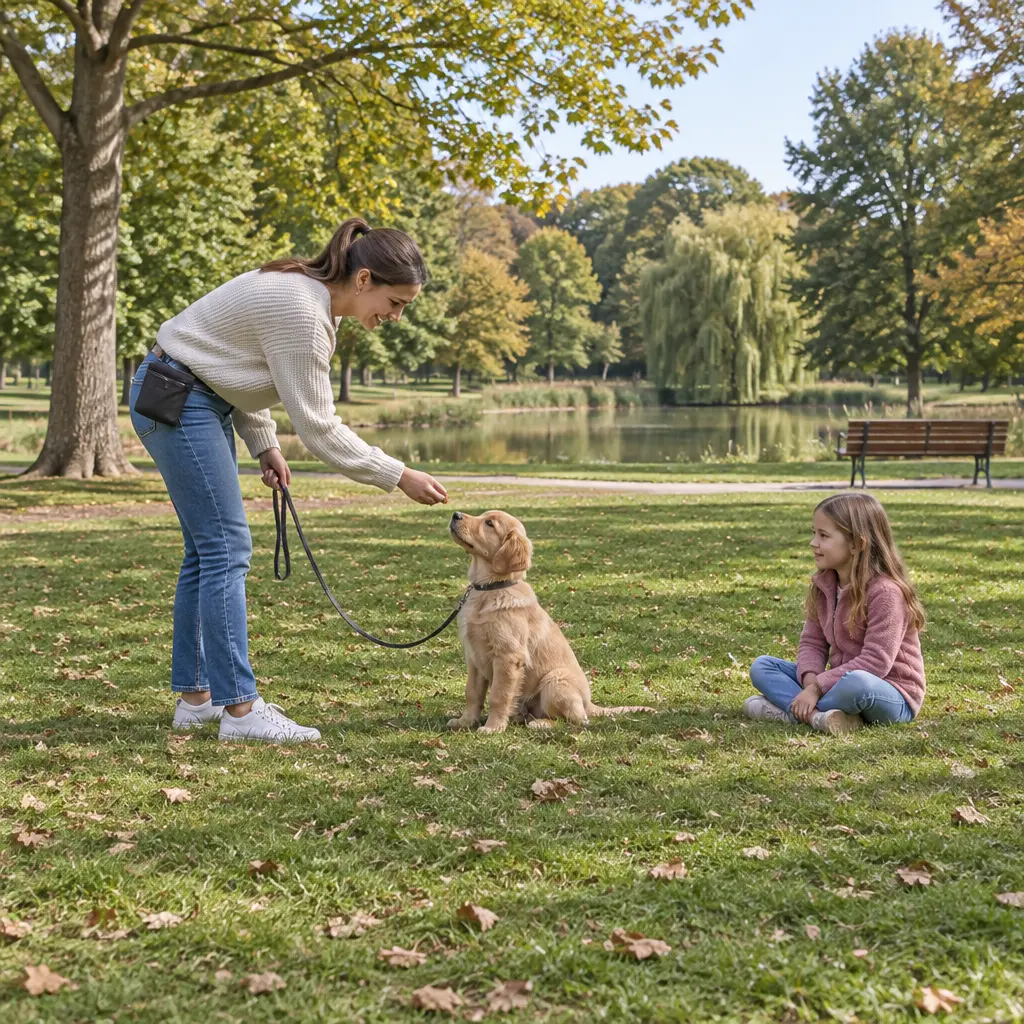
Introducing a puppy to children, unfamiliar people, and other dogs means arranging calm, safe encounters that let the puppy observe and choose whether to approach. […]
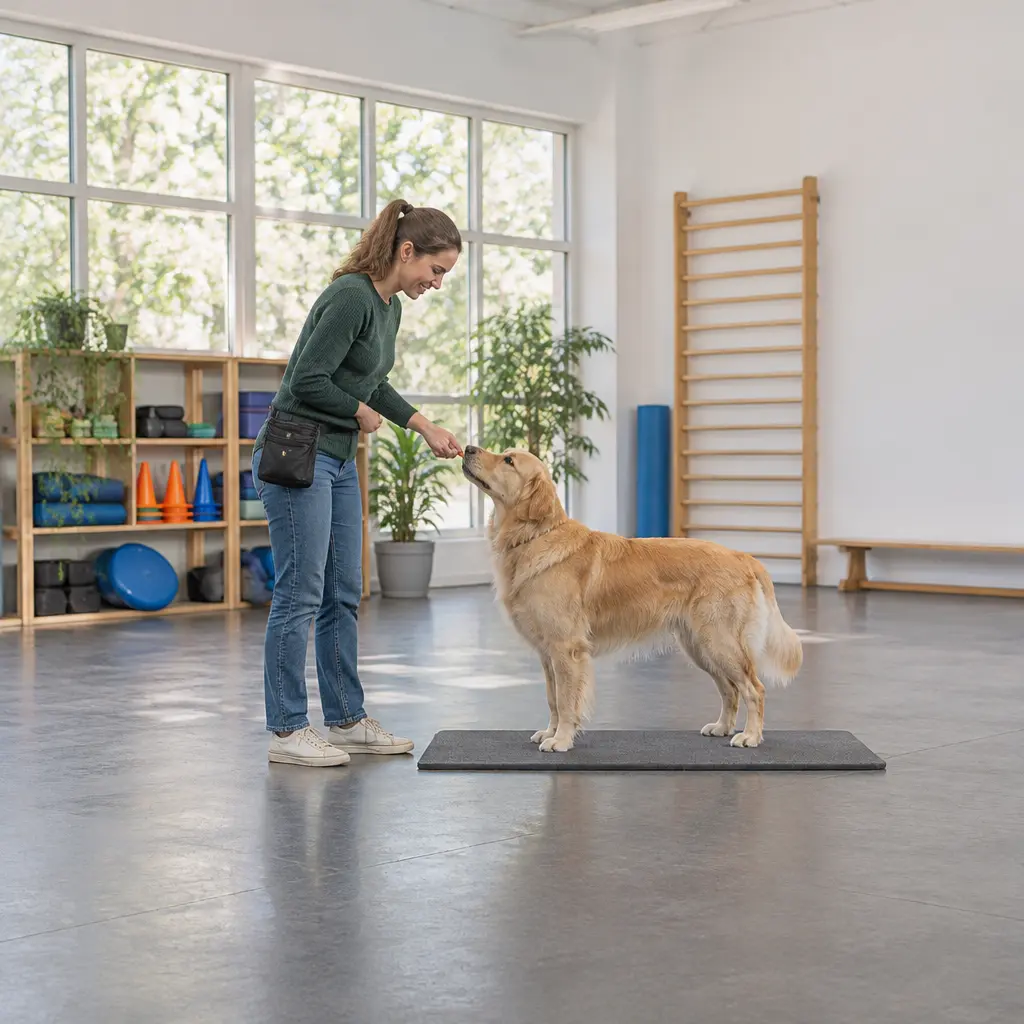
Experienced dog trainers approach training as a structured process of teaching skills, managing the environment, and building reliable behavior—not simply giving commands or correcting mistakes. […]
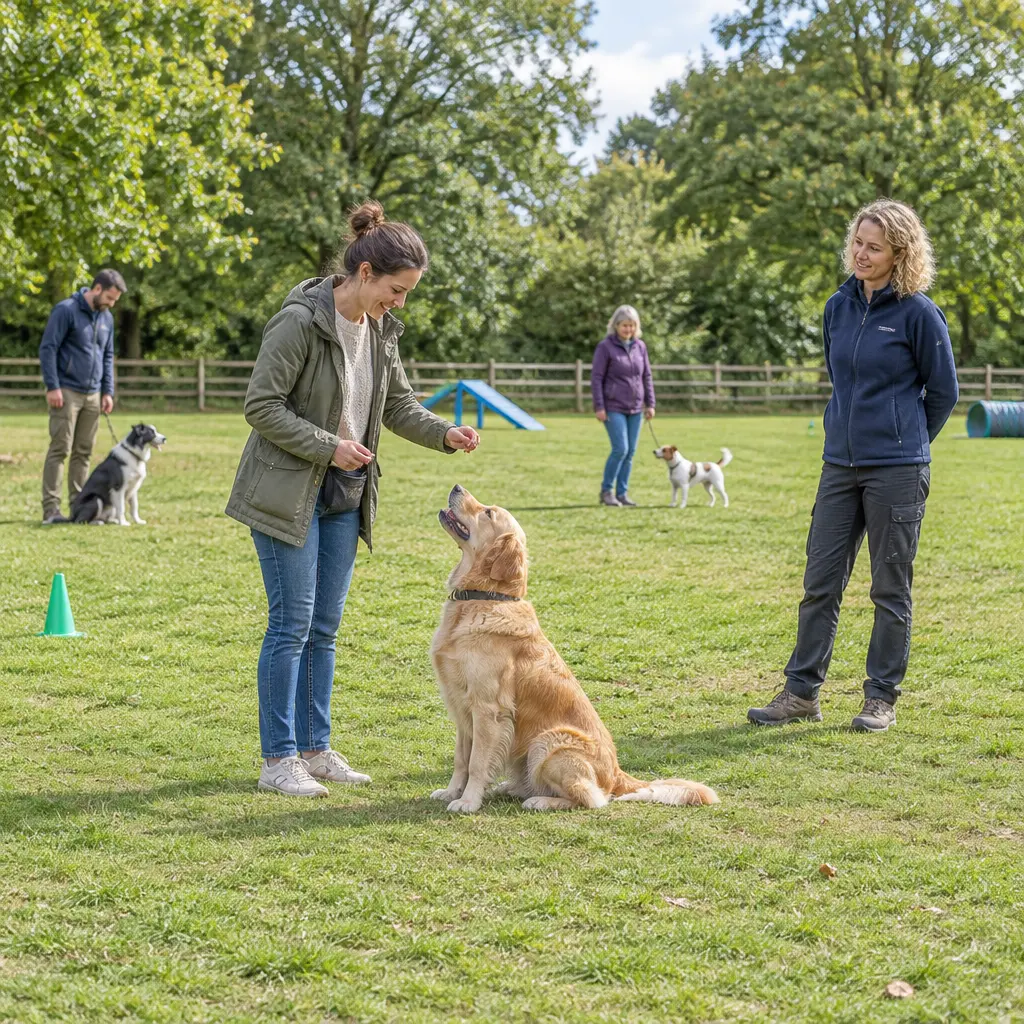
Choosing the best training program for your dog means matching its methods, instructor, and format to your dog’s needs and your household’s goals. The American […]
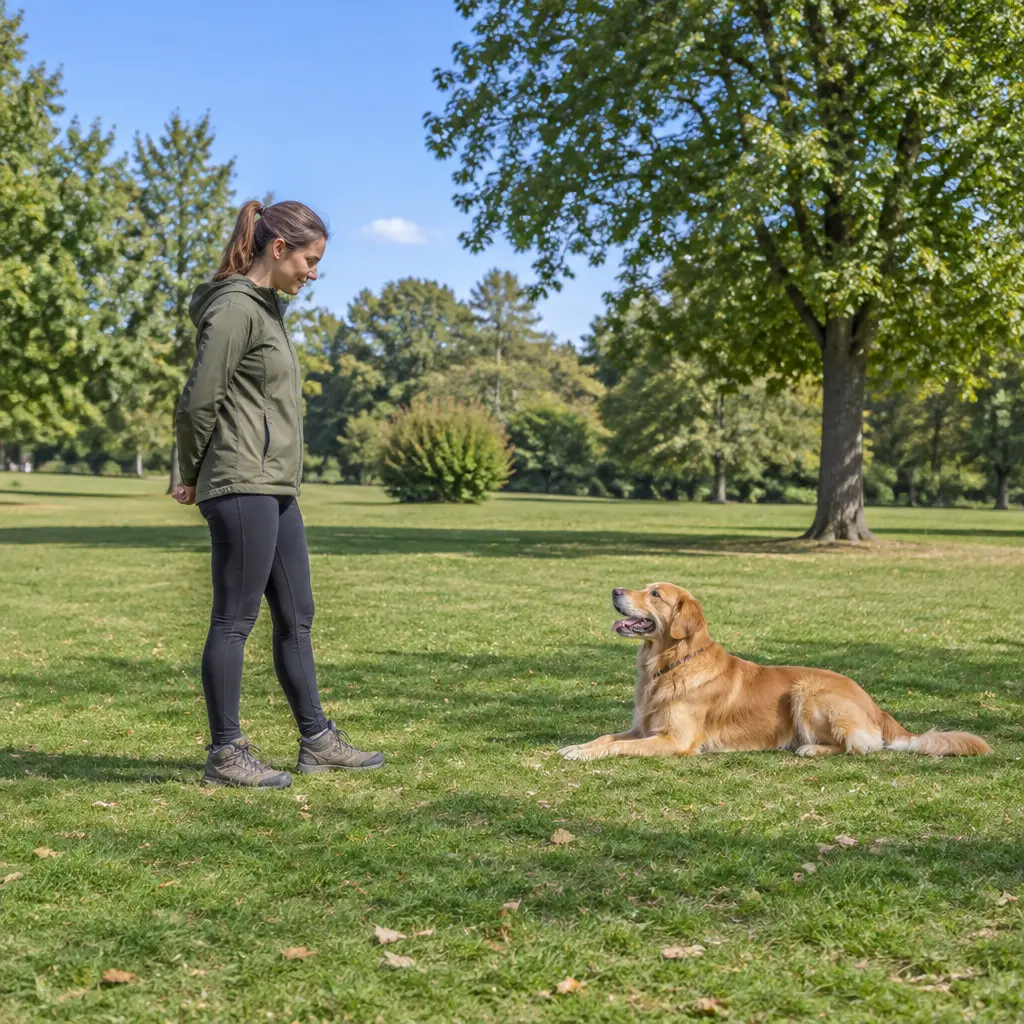
A dog’s emotional state is the combination of feelings and arousal that shape how the dog responds to people, surroundings, and learning. Before training begins, […]

Dog Behavior Problems in Apartments and Small Homes: Causes, Prevention, and Practical Solutions Dog behavior problems in apartments and small homes are unwanted or disruptive […]
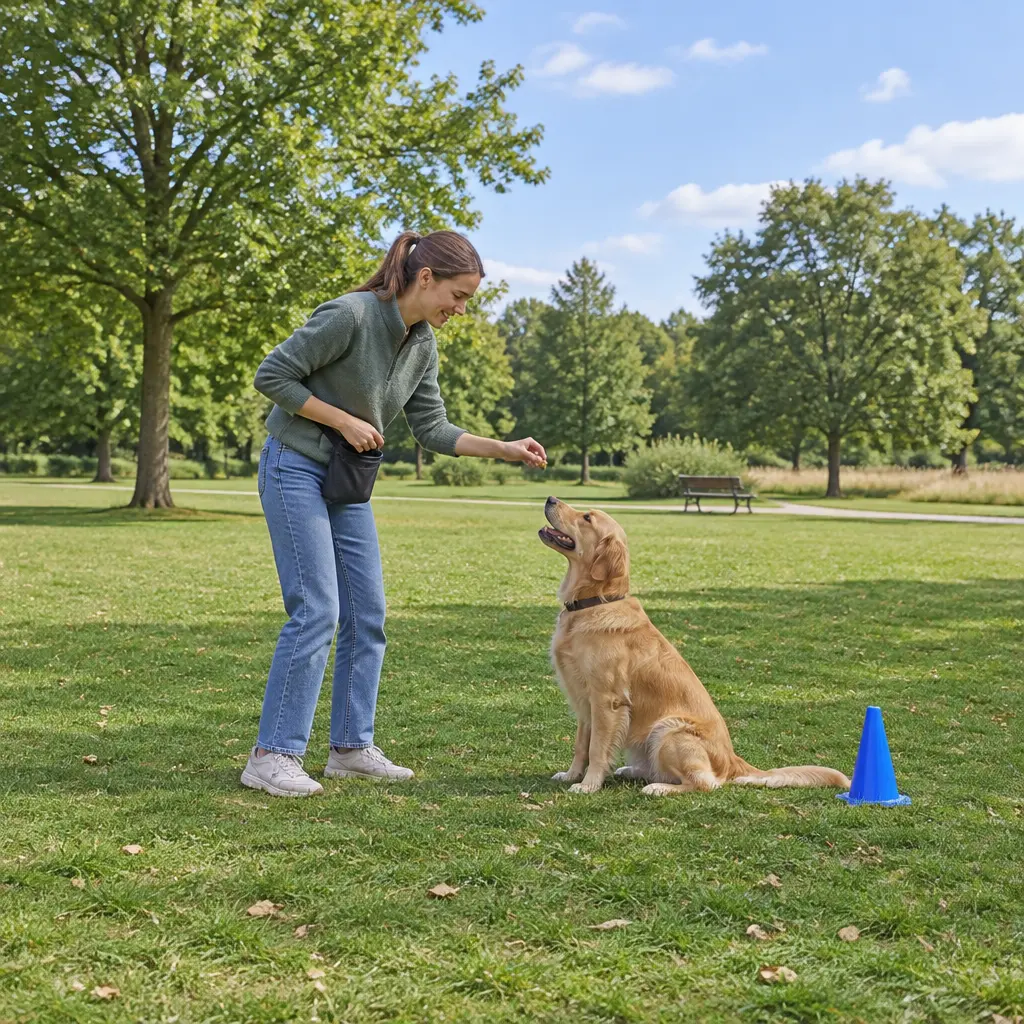
A dog training program is an organized plan for teaching a dog useful behaviors and helping people respond consistently to them. An effective program sets […]

Dog training at home is the process of teaching a dog useful behaviors and household routines through clear cues, rewards, repetition, and humane management. You […]
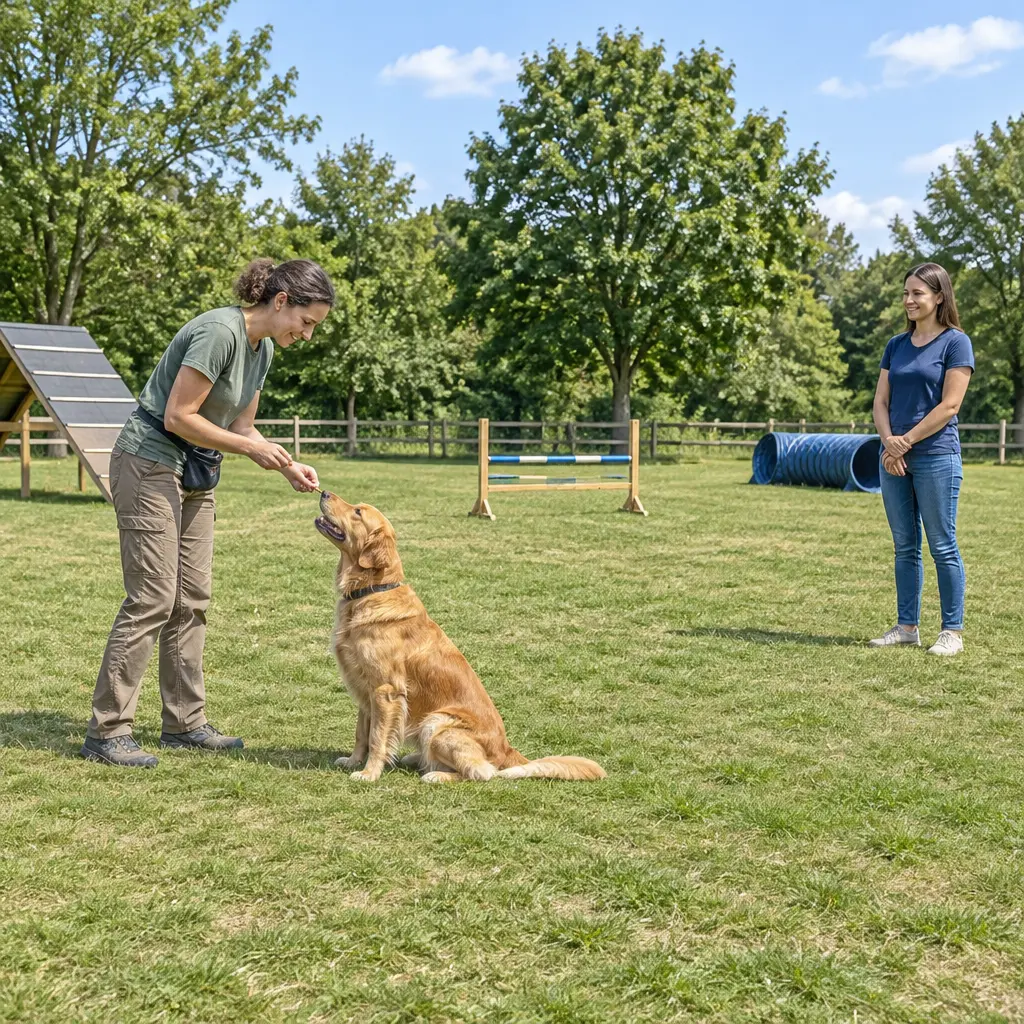
Choosing a dog training service means choosing how your dog will be taught and handled. A responsible provider should explain its methods, credentials, safety practices, […]